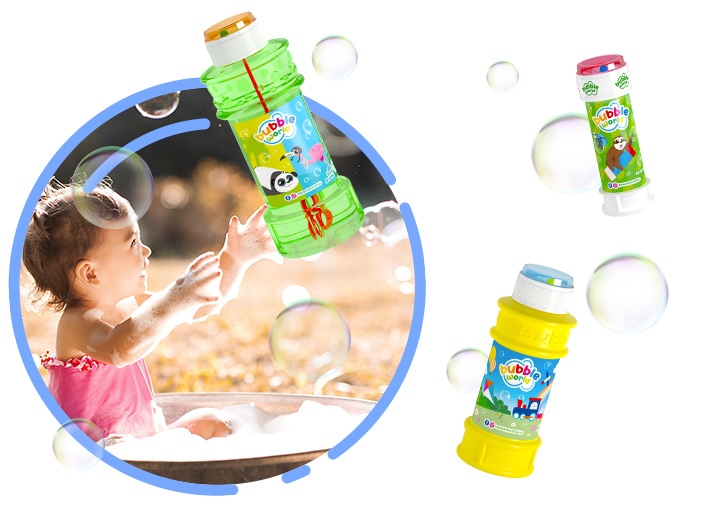
CHILDREN NEED TO LET OFF STEAM LET THEM PLAY!
PLAY, FREE TIME, AND REST
ARE CHILDREN'S RIGHTS
States Parties recognize the right of the child to rest and leisure, to engage in play and recreational activities appropriate to the age of the child, and to participate freely in cultural life and the arts.
On November 20th, 1989, just days after the fall of the Berlin Wall, a turning point that would reshape the world, the United Nations General Assembly gathered inside its glass skyscraper overlooking the East River in Manhattan. At that historic moment, while the world was changing forever, representatives of all member states paused to write and adopt the Convention on the Rights of the Child.
And Article 31 of that Convention contains the few lines you have just read above.
CHILDREN DISCOVER REALITY
THROUGH PLAY
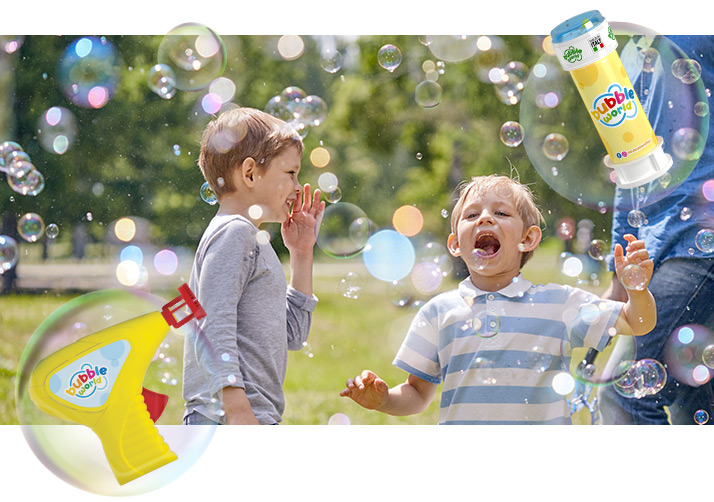
Too often, play is superficially considered merely a pastime for children, something they do while mom dries her hair or dad finishes cooking dinner without having to hold them or keep them entertained. But play is not secondary. On the contrary, it has enormous value and deserves far more importance than we sometimes give it. If anything, it is other activities that should occasionally be interrupted to make space for play never the other way around.
At every stage of growth, children experience a different phase of discovery about the world around them. And regardless of age, play always remains one of the most important tools for understanding and connecting with reality.
HOW DOES PLAY ENCOURAGE
CHILDREN'S INDEPENDENCE?
The simplicity of play and the complexity of the reality it helps children understand are inversely proportional. The less structured a game is, the fewer rigid rules and predefined mechanisms it contains, the more it stimulates children to independently develop new solutions and ideas. And when play involves others, children naturally find themselves in open situations where they must develop social skills and cooperation in order to achieve shared goals. Simple games create flexible systems full of unexpected situations and constantly changing possibilities. This unpredictability helps children train cognitive abilities while also developing the emotional balance needed to manage new experiences.
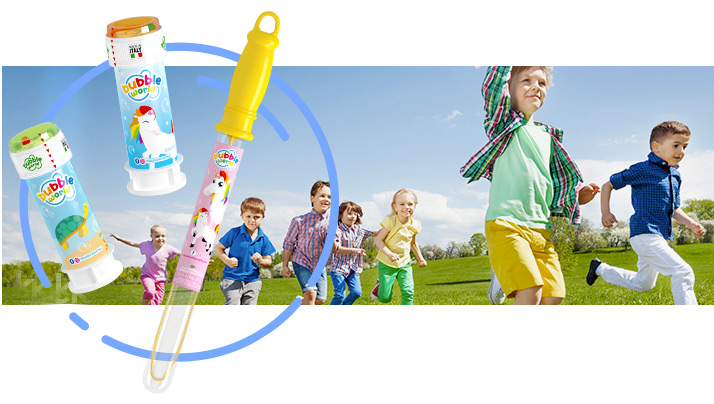
REALITY
REPRESENTED
IN A SOAP
BUBBLE
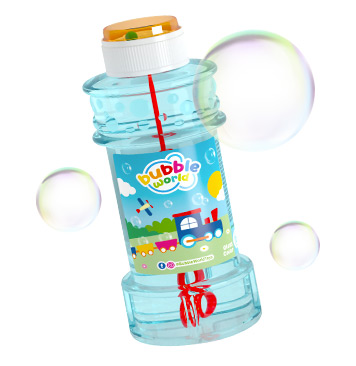
Is there a simpler game than soap bubbles?
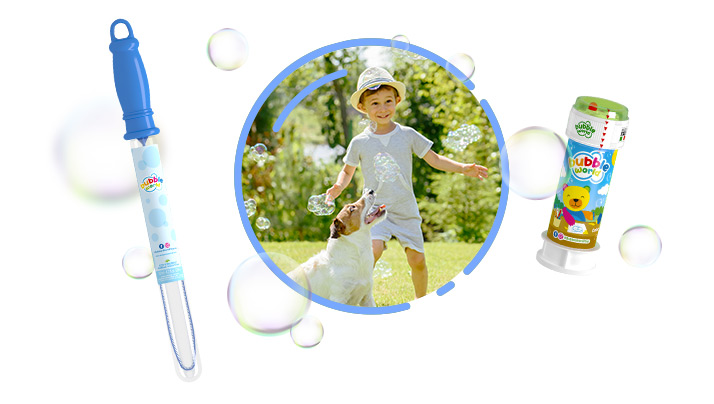
For younger children, soap bubbles help develop coordination by encouraging them to hold the bottle upright and control the intensity of their breath. For older children, they stimulate imagination and the ability to create parallel realities and fantastic worlds where soap bubbles become something entirely new to invent and explore. Playing with soap bubbles also awakens curiosity: children begin wondering how bubbles work, observing how they burst, admiring their shifting colors, or discovering how a soap-covered finger can pass through them without making them pop.
Give children plenty of space for play. Whenever possible, allow them to enjoy free play, flexible, open-ended, and rich with possibilities. Let them spend time with activities that leave room for imagination and creativity. Allow them to discover for themselves how to build the game, transform it over time, and shape it together with other children.